Source Renault Engine Cylinder Head for Excavators, Cars, and Trucks
Compare 24 listings for the Renault Engine Cylinder Head from verified Chinese manufacturers. Buyers can evaluate specifications like material, valve count, and warranty terms for excavators, cars, and trucks before requesting quotes.
Key considerations
Products List


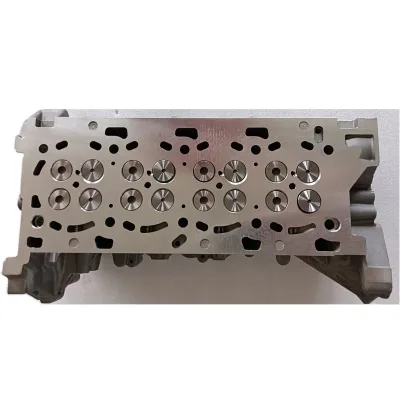

Diesel Engines with Enhanced Cooling Channels and Valve Guides Durable Engine Cylinder Head
$100.00 - $120.00
MOQ: 100 Pieces

Performance Grade Casting with Standard Ports for Engine Cylinder Head
$100.00 - $120.00
MOQ: 10 Pieces


Precision Engineered Component for 16 Valve Engines as Cylinder Head Assembly
$100.00 - $120.00
MOQ: 100 Pieces


Comprehensive Sourcing Guide
Renault Engine Cylinder Head Sourcing Guide
Procuring a cylinder head for Renault vehicles requires a precise understanding of the specific engine architecture, as these components are engineered to withstand high thermal loads and precise combustion pressures. The market offers a range of options, from cast iron units designed for durability in heavy-duty applications to aluminum alloy heads optimized for weight reduction and heat dissipation in passenger cars. Buyers must distinguish between original equipment manufacturer (OEM) specifications and aftermarket alternatives, ensuring that the material composition and casting techniques align with the engine's operational demands.
The sourcing process begins with identifying the exact engine code and vehicle model, as a mismatch can lead to catastrophic engine failure. For instance, specific Renault models utilizing the M9R engine series require heads with distinct valve configurations and port designs that differ significantly from other engine families. Verification of the part number against the vehicle's registration details is a critical first step, as the same engine code may have subtle variations in casting or machining depending on the production year and regional emission standards.
Product Scope and Observed Listing Signals
The current market landscape for Renault cylinder heads displays a diverse range of product attributes, including variations in material composition such as iron and aluminum alloy, which directly influence the component's weight and thermal properties. Listings often indicate that these parts are available in new condition with sufficient stock, allowing for relatively quick fulfillment, though some suppliers may offer customization options to meet specific buyer requirements. The observed product range includes models specifically designed for gasoline and diesel engines, with some units tailored for heavy machinery like excavators, highlighting the versatility of the supply chain.
Buyers should carefully scrutinize the listed packaging and shipping methods, as these factors impact the final cost and the condition of the goods upon arrival. Standard packaging often includes carton boxes, while heavier or more fragile units may be shipped in polywooden or wooden boxes to prevent damage during transit. Shipping methods vary widely, with options ranging from express couriers like DHL, UPS, and FedEx to other logistics providers, and delivery times can range from immediate dispatch within three working days to longer lead times of up to thirty days depending on the supplier's inventory status and payment confirmation.
Technical Specifications to Verify
Technical verification is paramount when sourcing cylinder heads, as the internal geometry must match the engine's requirements for airflow, compression, and valve timing. Key specifications to confirm include the number of cylinders and valves, with common configurations for Renault engines including four-cylinder setups with sixteen valves. The casting technique, typically sand casting or permanent mold casting, determines the structural integrity of the head, and buyers should ensure the product standard aligns with the specific engine code, such as the M9R series, to guarantee compatibility.
Dimensional accuracy and component standardization are equally critical, as non-standard components may require custom machining or adaptation that increases the total cost of ownership. Buyers must verify the exact dimensions, such as the 62x28x26 cm packaging size for certain units, and cross-reference OEM numbers like 7701478149 or 7701477996 to ensure the part fits the intended vehicle model. Additionally, the presence of specific features like the engine type designation and the valve count must be explicitly stated in the product description to avoid receiving a unit that is physically incompatible with the engine block.
Compliance and Safety Documentation
Ensuring that the cylinder head meets relevant safety and quality standards is essential for maintaining vehicle reliability and regulatory compliance. While some listings mention certifications such as ISO or TSCE, buyers should treat these as observations rather than guaranteed attributes for every unit and request specific documentation to verify the supplier's adherence to international quality management systems. The absence of a specific certification on a listing does not necessarily indicate non-compliance, but it does necessitate a deeper inquiry into the manufacturer's quality control processes and testing protocols.
Safety documentation should also include proof of material composition and manufacturing origin, as these factors influence the part's durability and performance under stress. Products originating from regions like Henan or Ningbo in China may have different quality control baselines, and buyers should request material certificates to confirm that the iron or aluminum alloy used meets the required tensile strength and thermal conductivity standards. Furthermore, understanding the warranty terms, which often range from one year to twelve months, provides a layer of protection against manufacturing defects and ensures that the supplier stands behind the product's integrity.
Cost Drivers and Commercial Terms
The final cost of a cylinder head is influenced by a complex interplay of factors, including the material type, the complexity of the casting, and the specific OEM part number required. Aluminum alloy heads generally command a higher price point than cast iron units due to the material cost and the more intricate manufacturing processes involved, while customizations or non-standard components can further increase the unit price. Buyers should also consider the impact of shipping methods and packaging requirements on the total landed cost, as expedited shipping via express couriers will incur higher fees compared to standard freight options.
Commercial terms such as the minimum order quantity (MOQ) and payment conditions play a significant role in the procurement strategy, with some suppliers offering flexible terms for single-piece orders while others may require bulk purchases. The observed MOQ range spans from one piece to one hundred, allowing small workshops to source individual parts without significant capital outlay, whereas larger fleets may benefit from negotiating volume discounts. Additionally, the sample policy, which often involves a charge for prototype units, should be factored into the budget, as it allows buyers to validate the product quality before committing to a larger order.
Supplier Qualification and Quality Control
Evaluating supplier qualification involves a thorough review of their production capabilities, quality assurance protocols, and after-sales support structures. Suppliers offering one-stop service and a warranty period of one year or twelve months demonstrate a commitment to customer satisfaction and product reliability, but buyers should verify these claims through independent references or site audits. The presence of sufficient stock and the ability to deliver within three working days after payment indicates a robust supply chain, but it is crucial to confirm that the stock consists of genuine, high-quality units rather than refurbished or substandard parts.
Quality control measures should be a central part of the supplier selection process, with a focus on the manufacturing techniques and inspection procedures used to ensure each cylinder head meets the required specifications. Buyers should inquire about the testing methods employed to verify the structural integrity of the casting and the precision of the valve seats, as these factors directly impact the engine's performance and longevity. Establishing a clear communication channel with the supplier to discuss any deviations from the standard specifications or to request additional testing data can help mitigate the risks associated with sourcing critical engine components.
Long-Term Procurement Checks
Establishing a long-term procurement relationship requires ongoing monitoring of supplier performance, product consistency, and market trends to ensure a steady supply of high-quality cylinder heads. Buyers should implement a system for tracking delivery times, warranty claims, and the frequency of defects to identify any patterns that may indicate a decline in product quality or supplier reliability. Regular audits of the supplier's inventory and production capacity can help anticipate potential shortages and allow for proactive adjustments to the procurement strategy.
Continuous verification of the product specifications against the latest OEM updates is essential, as engine designs and part numbers may evolve over time to meet new emission standards or performance requirements. Buyers should maintain a database of approved suppliers and their specific product offerings, ensuring that the cylinder heads sourced remain compatible with the fleet's current and future vehicle models. By fostering a collaborative relationship with suppliers and maintaining open lines of communication, buyers can secure a reliable supply chain that supports the long-term operational needs of their organization.
FAQs
What is the warranty period for these cylinder heads?
The warranty period is 12 months or 1 year depending on the specific supplier listing. This coverage applies to new condition parts manufactured in China. Buyers should verify the exact terms with the vendor before purchase to ensure the warranty aligns with their operational requirements and regional regulations.
Can I customize the packaging for bulk orders?
Yes, customization is available for packaging requirements. Options include carton boxes, polywooden boxes for heavy items, or neutral packing according to customer needs. Standard packages are also offered. Buyers should specify their preference during the inquiry process to ensure the shipping method and protection meet their logistical standards.
What certifications do the cylinder heads have?
Certifications include TSCE, ISO, and TSM depending on the manufacturer. These standards indicate quality compliance for automotive components. Buyers should request specific certification documents from the supplier to verify that the parts meet the required industry standards for their target market and vehicle application specifications.
How long is the delivery time after payment?
Delivery times vary from 1-3 working days to within 30 days upon receiving payment. This depends on stock availability and the specific supplier's processing speed. Sufficient stock is often available for faster dispatch. Buyers should confirm the exact lead time with the vendor to plan their inventory management effectively.
Which vehicle models are compatible with these parts?
These cylinder heads are compatible with Renault vehicles, including models using M9R engines. They also fit certain car and truck applications with gasoline or diesel engines. Buyers should verify the OEM number, such as 7701478149, and engine code to ensure precise compatibility with their specific vehicle model and engine type.
What is the minimum order quantity for these parts?
The minimum order quantity ranges from 1 piece to 100 pieces. This flexibility allows buyers to order samples or bulk quantities. Suppliers often charge for samples. Buyers should check the specific MOQ with the vendor to understand pricing tiers and shipping costs associated with their desired order volume.